
Why Some Places Stay With You: The Psychology of Memorable Travel
There are places you visit, and then there are places that stay.
Not because they were the most expensive, the most photographed, or the most talked about—but because something about them lingered. A feeling, a moment, a shift in perspective that doesn’t quite leave, even long after the journey ends.
This is the difference between travel that is consumed and travel that is remembered.
And increasingly, this is what defines meaningful luxury.

Memory Is Built on Emotion
Most travel today is designed around information—what to see, where to go, what to experience.
But memory doesn’t work that way.
We don’t remember itineraries.
We remember how something felt.
A quiet morning where time moved differently.
A space that made you pause without knowing why.
A conversation that stayed longer than expected.
Psychologically, experiences that carry emotional weight are far more likely to be retained. They are processed differently, stored more deeply, and recalled more vividly.
This is why some destinations stay with you.
They create an emotional imprint, not just a visual one.
The Role of Contrast and Disruption
Memorable travel often exists in contrast to everyday life.
If your routine is fast, structured, and constantly connected, then what stays with you is often the opposite—slowness, silence, and space.
This contrast creates a kind of mental reset.
It disrupts patterns.
And in doing so, it allows the brain to register the experience more distinctly. The unfamiliar becomes noticeable. The ordinary becomes significant.
This is also why highly curated, overly structured travel can feel forgettable. When everything is expected, nothing stands out.
Memorable experiences, on the other hand, introduce just enough unpredictability to feel real.
Attention Shapes Experience
What you notice determines what you remember.
In environments that are overstimulating, attention becomes fragmented. You move quickly, consume more, but retain less.
In contrast, spaces that allow for focus—whether through design, atmosphere, or pace—create deeper engagement.
You begin to notice smaller details:
- the way light moves through a room
- the texture of materials
- the rhythm of a place at different times of day
These are not headline moments.
But they are the ones that stay.
This is where design-led hotels and thoughtfully chosen environments make a difference. They don’t compete for attention. They guide it
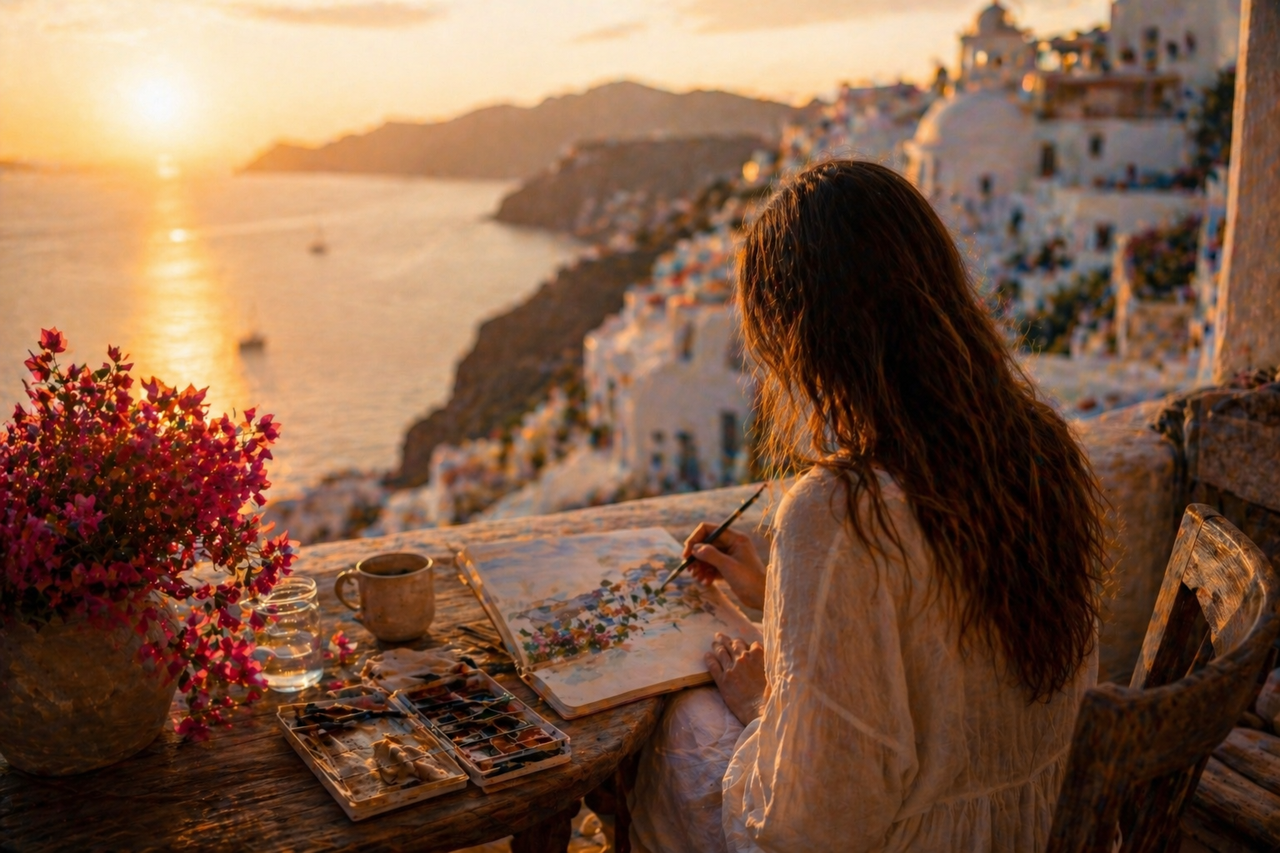
The Power of Personal Relevance
TNot every beautiful place becomes memorable.
What makes an experience stay is how personally relevant it feels.
A destination becomes meaningful when it aligns with something internal—your pace, your preferences, your state of mind at that moment.
The same place can feel entirely different to two people.
Because memory is not objective.
It is filtered through who you are when you experience it.
This is why personalized, curated travel is becoming more valuable. Not because it offers more, but because it offers the right things.
Space Allows Meaning to Form
One of the most overlooked aspects of memorable travel is space.
Not physical space, but mental space.
When an itinerary is full, there is no room to process what you are experiencing. Moments pass quickly, without settling.
But when there is space—time without structure, pauses between activities—something shifts.
Experiences begin to integrate.
You reflect without trying to.
You notice without effort.
And this is where meaning forms.
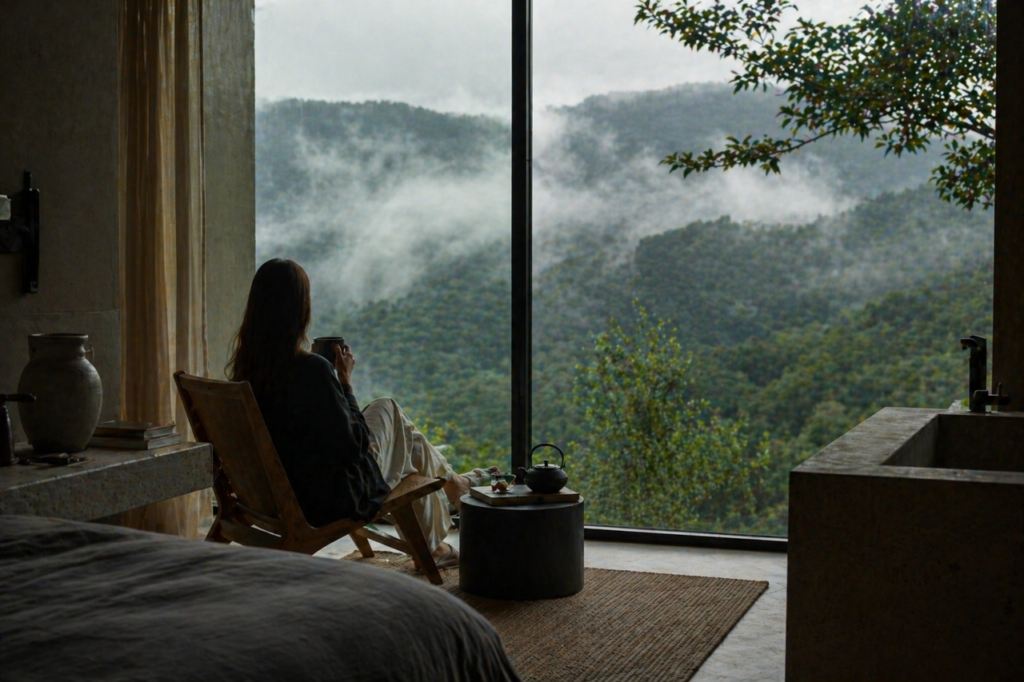
The Environments That Stay
Across global destinations, the places that tend to stay with people share certain characteristics:
They are not always the most visible.
They are not always the most extravagant.
But they offer:
- a sense of atmosphere
- a feeling of balance
- an environment that supports presence
This is often why boutique stays, private villas, and design-conscious spaces feel more memorable. They remove friction. They reduce noise. They allow the experience to unfold naturally.
From Experience to Imprint
What we are seeing is a shift in how travel is valued.
It is no longer about how much you do, but what stays with you after.
Luxury, in this context, becomes less about access and more about impact.
Not every trip needs to be memorable.
But the ones that are tend to share something in common:
They create a lasting imprint.
The Perspective Going Forward
As travel continues to evolve, the focus is moving toward experiences that are felt, not just seen.
This aligns closely with how Date With Luxury approaches travel—through a lens that prioritises emotional depth, atmosphere, and personal connection over surface-level appeal.
Because in the end, the value of a journey is not measured by where you went.
But by what stayed with you.