
Luxury travel is entering a different era.
For decades, luxury was defined by scale, access, and visibility. Larger suites, more exclusive addresses, and experiences designed to impress at first glance shaped the industry for years. Travel became closely tied to status—where you stayed, what you booked, and how visibly premium the experience appeared.
But expectations are changing.
Today, travelers are looking for something less performative and far more personal.
The future of luxury travel is no longer being shaped by excess alone. It is being shaped by emotion, individuality, and the growing desire to experience places in a more human way.
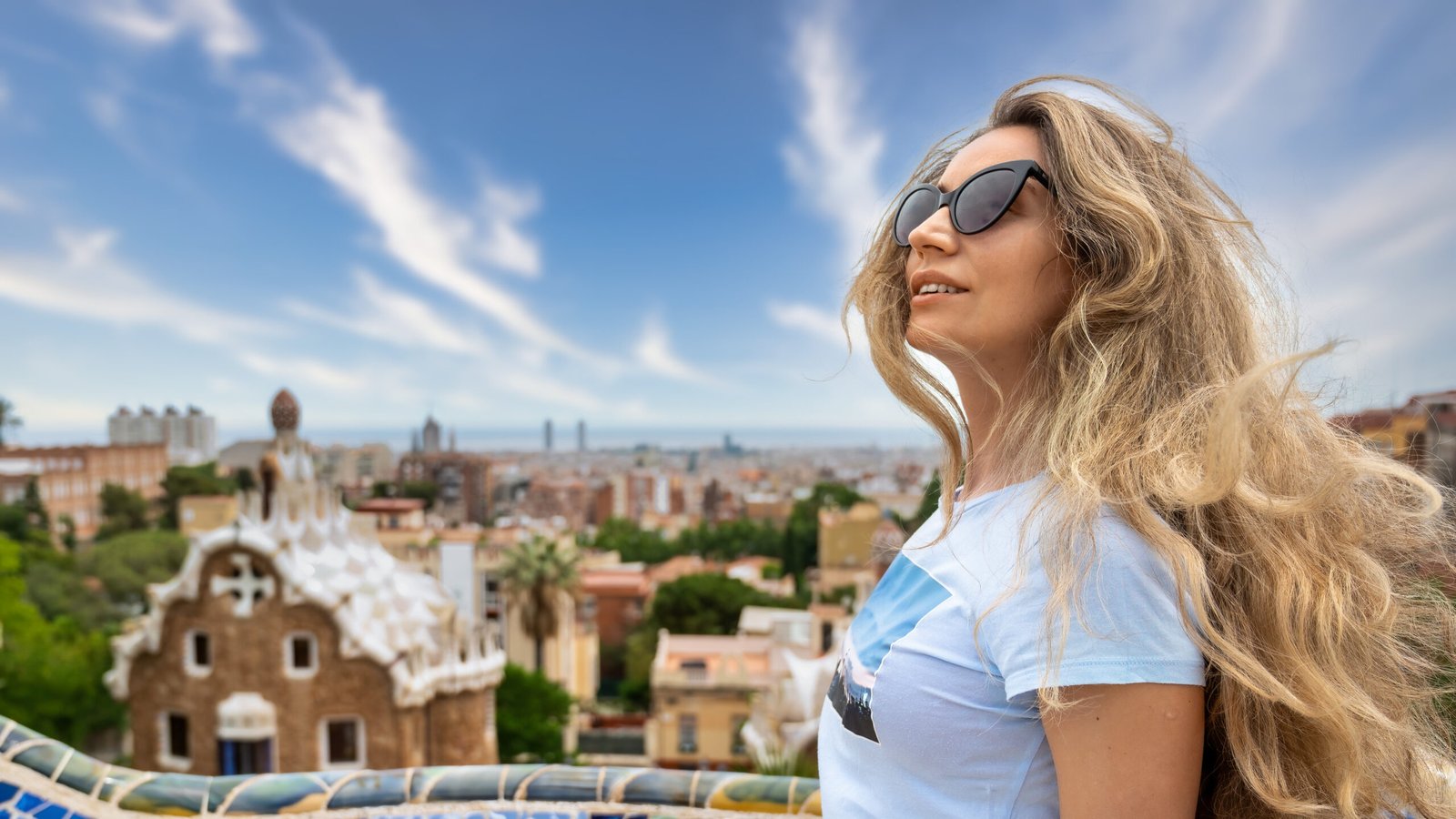
Luxury Is Becoming More Personal
Modern travelers are moving away from standardized experiences.
The same itinerary offered to everyone no longer feels luxurious. What people increasingly value is relevance—experiences that reflect how they personally want to travel, rest, explore, and connect.
This shift is changing how luxury travel experiences are designed.
Some travelers want complete privacy and slower environments. Others want cultural immersion, wellness-focused escapes, or destinations that feel emotionally grounding. Increasingly, luxury is not about offering more features.
It is about understanding the person experiencing them.
This is why personalization is becoming central to modern travel. Not as a marketing feature, but as an expectation.
Immersion Matters More Than Access
Access alone is no longer enough.
The modern traveler does not simply want to arrive at a destination. They want to feel connected to it.
This is where immersive travel experiences are becoming increasingly important. The emphasis is shifting from observation to participation—from seeing a place to understanding how it feels to exist within it.
A destination becomes more memorable when it engages multiple layers of experience:
- atmosphere
- culture
- pace
- design
- local interaction
This creates journeys that feel emotionally textured rather than simply visually impressive.
The most meaningful experiences today are often the least performative.
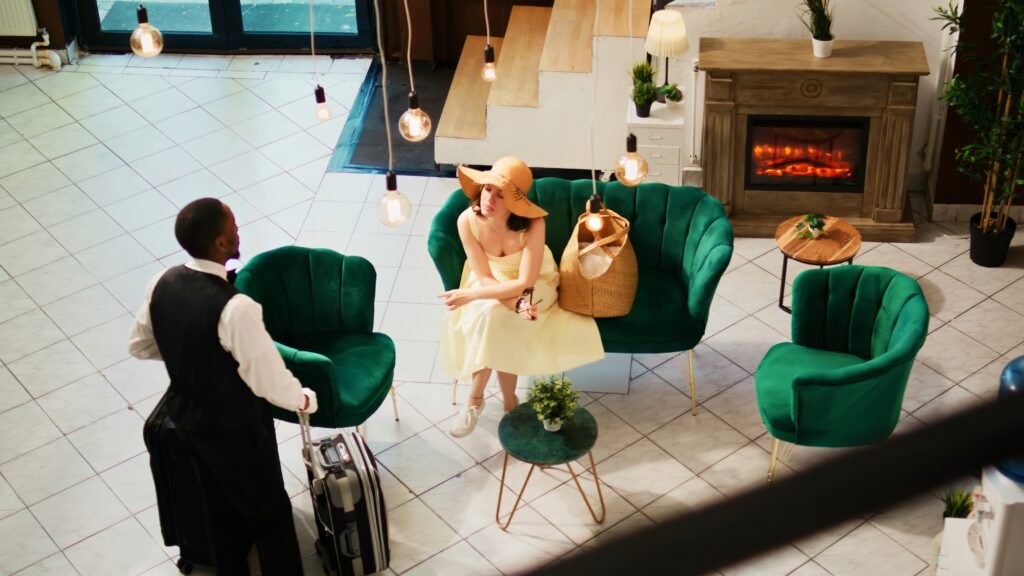
The Rise of Human-Centered Hospitality
Hospitality itself is evolving.
For years, luxury service was associated with perfection—highly polished, highly structured environments designed to anticipate every detail.
But travelers today are responding more strongly to authenticity and emotional ease.
The most compelling luxury hospitality experiences are increasingly those that feel human:
- thoughtful rather than scripted
- warm rather than formal
- intuitive rather than excessive
This does not mean standards are lowering.
It means hospitality is becoming more emotionally intelligent.
Guests are seeking environments that feel natural, personal, and adaptable to how they actually live and travel.
Smaller Scale, Greater Depth
Another major shift is scale.
Large luxury properties still hold influence, but many travelers are gravitating toward experiences that feel more intimate and more connected to place.
Boutique hotels, private villas, and design-led stays are increasingly defining modern luxury because they allow for:
- greater privacy
- slower pacing
- more individual character
- deeper environmental connection
The experience feels less manufactured and more grounded.
This creates a stronger emotional relationship between the traveler and the destination itself.

Design Is Becoming More Sensory
The future of luxury travel is also becoming more sensory.
Travelers are paying closer attention to how environments affect mood, clarity, and emotion. Design is no longer appreciated purely visually. It is experienced physically and psychologically.
The most compelling spaces today understand restraint.
Natural materials. Balanced lighting. Open space. Silence. Connection to landscape.
These elements shape how a traveler feels within a destination, often more powerfully than traditional ideas of extravagance.
Technology Will Support, Not Replace, Experience
Technology will continue to reshape luxury travel—but quietly.
The future is unlikely to be defined by technology that dominates the experience. Instead, it will support it invisibly:
- smarter personalization
- seamless planning
- reduced friction
- more intuitive recommendations
The role of technology is becoming less about novelty and more about creating ease.
Because the future of luxury is increasingly tied to simplicity.
Emotional Value Is Becoming the Real Luxury
Perhaps the biggest shift of all is how value is measured.
Luxury travel is moving away from ownership and toward emotional return.
People are beginning to ask different questions:
- How did this place make me feel?
- Did this experience change my pace?
- Did I leave more present, more grounded, more connected?
These are deeply human expectations.
And they are reshaping the entire industry.
The Direction Ahead
The future of luxury travel will not be built around showing travelers more.
It will be built around helping them feel more.
More connected. More present. More understood.
At Date With Luxury, this evolving perspective continues to shape how destinations, stays, and experiences are explored—through curated luxury travel, immersive storytelling, and a focus on experiences that leave a lasting emotional impression.
Because the future of luxury travel is not becoming more artificial.
It is becoming more human.