
Most cities are designed to impress during the day.
The landmarks stand clearly against the skyline. The museums open their doors. The cafés fill with conversation. The streets move with purpose.
This is how most travelers experience a destination.
But some of the most memorable moments happen after the sun disappears.
Because once daylight fades, cities begin to reveal a different side of themselves—one that feels more atmospheric, more intimate, and often more authentic.
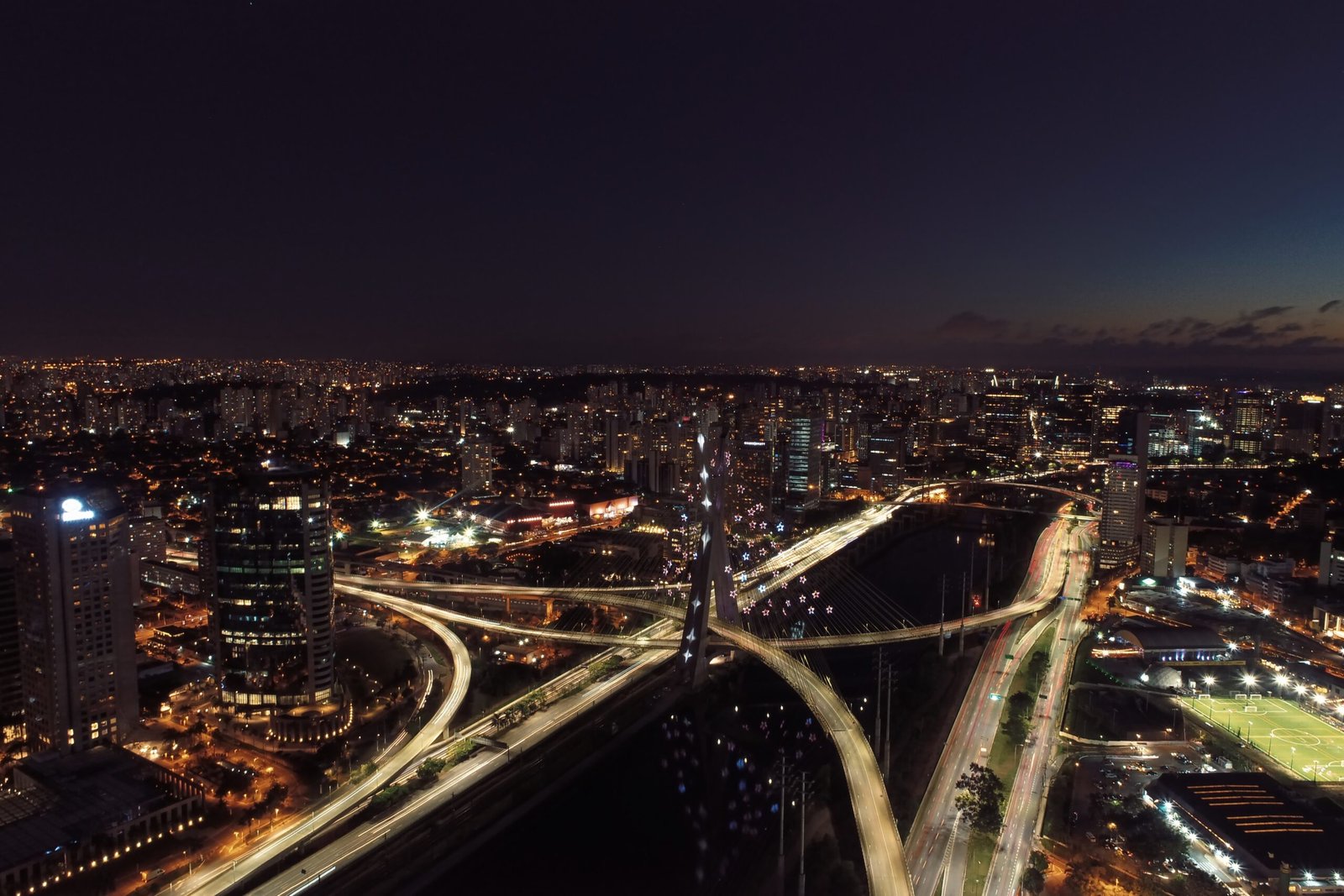
A City Changes After Dark
Every city has two personalities.
The version that exists for visitors during the day.
And the version that emerges once the pace begins to slow.
The transition is subtle.
Crowds thin out. Light becomes softer. Architecture takes on a different character. Sounds carry further.
Familiar destinations begin to feel unfamiliar.
And that shift often creates a deeper connection to place.
The Luxury of Seeing a City Differently
Many luxury travel experiences are built around access.
But sometimes the greatest luxury is perspective.
Walking through a historic district after the day crowds have disappeared.
Watching reflections dance across a river after sunset.
Experiencing a city when it feels less observed and more lived-in.
These moments offer something many travelers rarely experience.
A sense of intimacy with a destination.
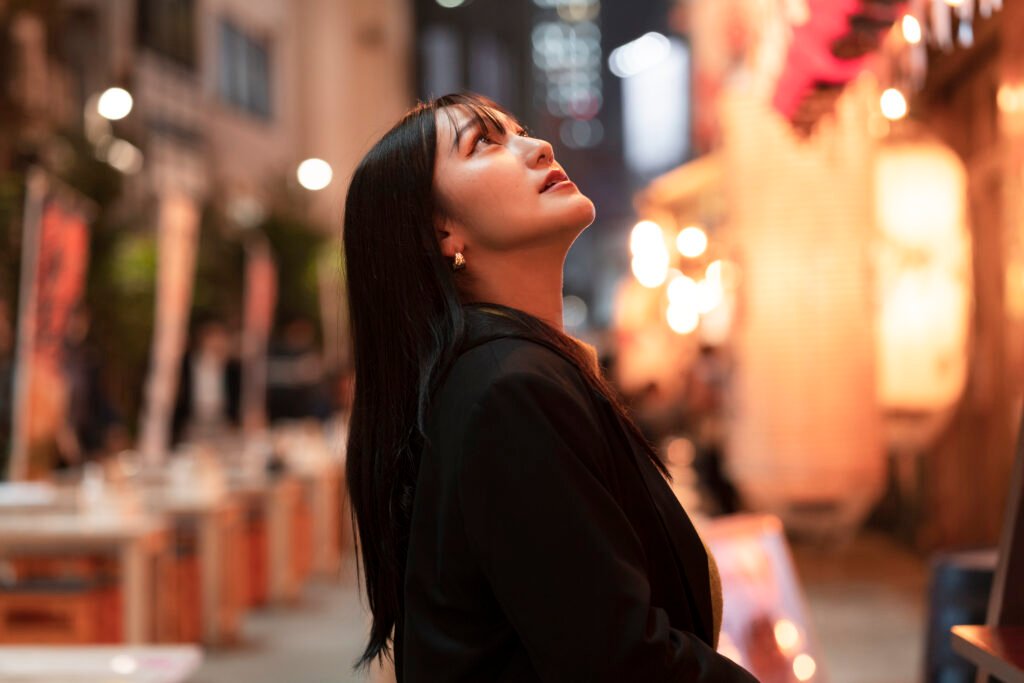
When Architecture Comes Alive
Cities often become more visually compelling at night.
Lighting transforms familiar landmarks into something entirely different.
A cathedral illuminated against the evening sky.
A historic bridge reflected in still water.
A skyline viewed from a rooftop as thousands of lights begin to appear.
The architecture remains the same.
Yet the atmosphere changes completely.
This is why some of the world’s most iconic destinations are arguably at their most beautiful after dark.
Beyond the Famous Landmarks
The most interesting nighttime experiences are often found away from the obvious attractions.
A quiet neighborhood restaurant.
A hidden jazz bar tucked behind an unmarked entrance.
An evening market where locals gather.
A waterfront promenade that feels entirely different under city lights.
Night reveals layers of a destination that daylight often hides.
It encourages slower exploration and more spontaneous discovery.
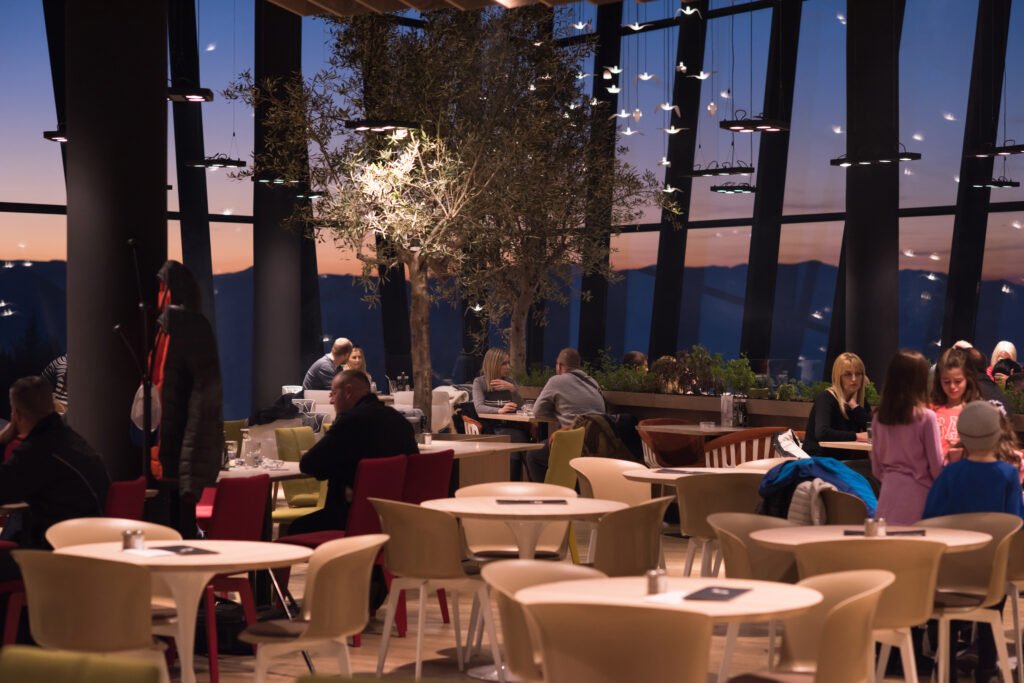
Cities Feel More Human at Night
During the day, destinations often operate at full capacity.
Schedules dominate.
Queues form.
Movement becomes constant.
At night, a different rhythm emerges.
People linger longer.
Conversations slow down.
Meals become experiences rather than appointments.
The city feels less transactional and more personal.
This is where immersive travel experiences often begin—not through activities, but through atmosphere.
The Appeal of Evening Dining
Some destinations are best understood through their dining culture after dark.
Across Europe, the Middle East, and Asia, evenings are often when cities feel most alive.
Tables spill into streets.
Restaurants become gathering places.
The pace naturally slows.
A dinner that begins at sunset stretches comfortably into the evening.
There is no rush.
No urgency.
Just time.
And increasingly, time itself has become one of travel’s greatest luxuries.
The Beauty of Nighttime Exploration
Exploring a city after dark encourages a different mindset.
There is less pressure to accomplish.
Less focus on seeing everything.
More room to simply experience.
You notice details that might otherwise be missed:
- reflections in old windows
- quiet side streets
- architectural textures
- changing sounds and moods
- unexpected moments of connection
These details rarely appear in guidebooks.
Yet they are often what make a destination memorable.
Why Travelers Are Seeking More Atmospheric Experiences
Modern travelers are increasingly looking beyond traditional sightseeing.
They want experiences that feel personal.
Experiences that create emotion rather than simply information.
This is why curated luxury travel is evolving beyond itineraries and attractions.
Atmosphere is becoming part of the experience itself.
And few things create atmosphere more effectively than a city after dark.
The World’s Most Iconic Destinations, Reimagined
Cities like Paris, London, Florence, Tokyo, Dubai, Istanbul, and New York are known across the world.
But their most memorable moments are often not found during peak visiting hours.
They happen later.
When the lights come on.
When the pace changes.
When the city begins to feel less like a destination and more like a living place.
That is when discovery starts.
A Different Way to Travel
At Date With Luxury, some of our most memorable travel experiences have happened after dark—not because the landmarks changed, but because the way we experienced them did.
The future of luxury travel is not always about finding new places.
Sometimes it is about finding a new way to experience places we thought we already knew.
Because cities never truly sleep.
They simply tell a different story after sunset.