
When we think back on our favorite trips, something interesting happens.
We rarely remember every museum we visited, every landmark we photographed, or every item on the itinerary.
Instead, we remember moments.
A sunrise seen from a quiet terrace.
A conversation with a local over a long lunch.
The sound of waves outside an open window.
The unexpected restaurant discovered down a hidden street.
Years later, these are the memories that remain.
As travel continues to evolve, this shift is becoming increasingly clear. People are no longer travelling simply to see more places. They are travelling to create moments that stay with them long after they return home.
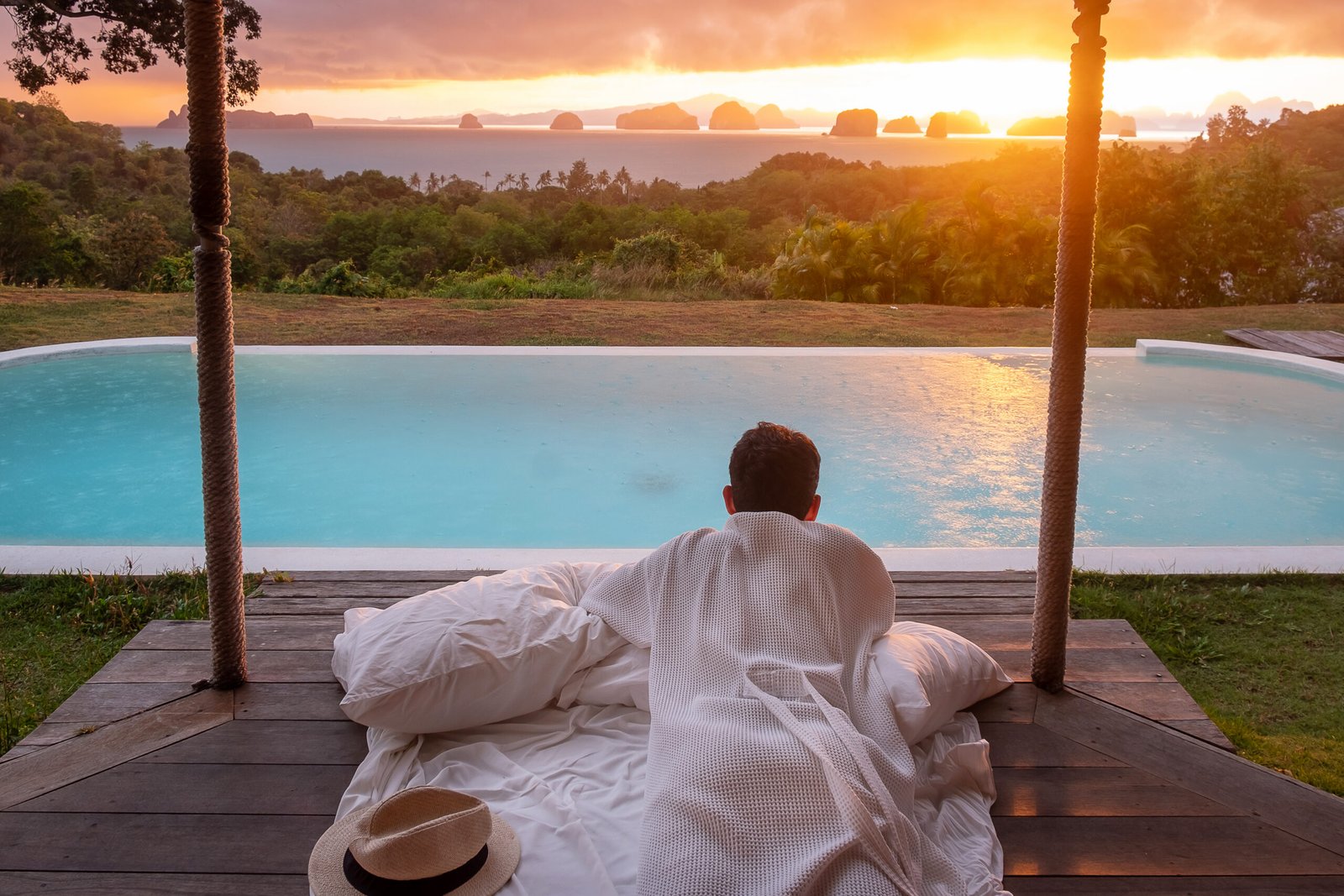
We Don’t Remember Trips. We Remember Feelings.
Memory is selective.
It rarely stores every detail of a journey. Instead, it preserves the experiences that carried the strongest emotions.
You might forget the exact route you walked through a city.
But you’ll remember how it felt wandering through quiet streets before everyone else had woken up.
You may not recall every course of an exceptional dinner.
But you’ll remember the atmosphere, the conversation, and the view that accompanied it.
These emotional moments become the true souvenirs of travel.
The Small Moments Often Matter Most
Many travelers spend months planning major attractions.
Ironically, the moments that become unforgettable are often the ones that were never planned.
A café you found by accident.
An afternoon that stretched longer than expected.
Watching the light change across a mountain range.
Listening to musicians in a small town square.
Travel reminds us that significance is not always found in grand experiences.
Sometimes it exists in the quiet spaces between them.

Why Pace Changes Memory
The speed at which we travel influences what we remember.
When every hour is scheduled, experiences blend together.
Landmarks become another item to complete before moving on.
Slowing down changes that.
It creates space to notice details.
The scent of fresh bread drifting through narrow streets.
The rhythm of a local market.
The way a city feels after sunset.
The slower we move, the more opportunities we create for meaningful memories to emerge.
A Place Is More Than Its Landmarks
Destinations are often defined by iconic attractions.
Paris has the Eiffel Tower.
Kyoto has its temples.
Santorini has its whitewashed villages.
But people rarely return because of a single landmark.
They return because of the atmosphere.
The feeling of sitting beside the Arno River at dusk.
The sound of church bells echoing across a quiet village.
Breakfast overlooking Lake Lucerne.
These experiences create an emotional connection that extends far beyond sightseeing.

Hospitality Shapes the Story
Where we stay often becomes central to what we remember.
Not because of thread counts or room sizes.
But because hospitality influences how every day begins and ends.
A boutique hotel where staff remember your name.
A private villa overlooking the sea.
A lodge surrounded by forests where mornings begin with silence instead of notifications.
These places create an environment where memorable moments happen naturally.
The accommodation becomes part of the experience rather than simply a place to sleep.
Shared Experiences Last Longer
Travel is often remembered through the people we shared it with.
A family dinner that lasted until midnight.
A spontaneous road trip.
Laughing over a meal that nobody expected to become the highlight of the day.
Even moments of silence become meaningful when shared with the right people.
This is one reason experiential travel continues to grow.
It creates stories that become part of our relationships long after the journey ends.
Luxury Is Becoming More Emotional
The definition of luxury is changing.
It is becoming less about collecting possessions and more about collecting memories.
Luxury today might be waking up to uninterrupted views.
Having breakfast without checking the time.
Enjoying an evening where the only agenda is staying a little longer.
These experiences cannot be placed on a shelf.
Yet they often become the most valuable part of a journey.
Why Curation Matters
Creating memorable travel experiences rarely happens by chance.
The right hotel.
The right neighborhood.
The right restaurant.
The right pace.
When thoughtfully combined, they create opportunities for moments that feel genuine rather than manufactured.
This is why curated travel is becoming increasingly valuable.
It is not about filling an itinerary.
It is about creating the conditions where unforgettable experiences can happen naturally.
The Journey Continues After You Return Home
The best trips do not end at the airport.
They continue through the stories we tell.
The photographs we revisit.
The restaurants we recommend.
The destinations we quietly promise ourselves we’ll return to one day.
Travel becomes part of who we are because of the moments we experienced, not simply the places we visited.
Those moments continue to shape us long after the suitcase has been unpacked.
What Makes a Journey Extraordinary
At Date With Luxury, we believe the most meaningful journeys are not measured by how many countries you visit or how many landmarks you photograph.
They are measured by the moments that stay with you.
The conversations that lasted longer than expected.
The view you still think about months later.
The quiet morning that changed the pace of your day.
The meal that introduced you to a culture.
The destination becomes the setting.
The moments become the memory.
Because in the end, we don’t remember travel for where we went.
We remember it for how it made us feel.