
For decades, the Mediterranean represented a certain idea of travel.
Long summers.
Iconic coastlines.
Historic towns overlooking the sea.
Destinations that appeared on countless postcards and travel wish lists.
Places like the Amalfi Coast, the Greek Islands, the French Riviera, Mallorca, and coastal Croatia became symbols of European luxury travel. They attracted travelers from around the world seeking beauty, culture, and sunshine.
But the Mediterranean is changing.
Not physically, but in how people choose to experience it.
A new approach is emerging—one that values pace over schedules, connection over visibility, and experiences that feel personal rather than predictable.
This is the new Mediterranean.
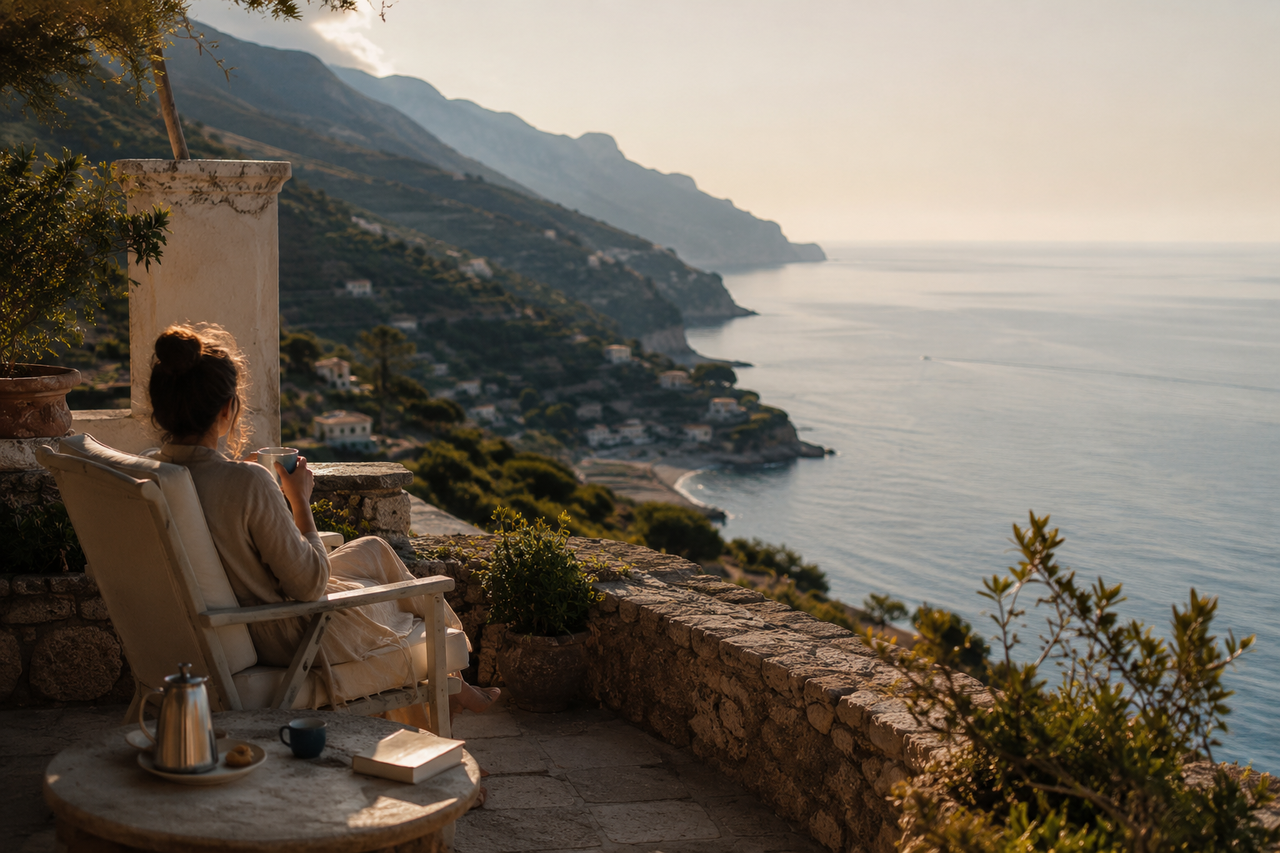
Moving Beyond the Checklist
For many years, Mediterranean travel followed a familiar pattern.
See the landmarks.
Visit the famous beach clubs.
Book the restaurants everyone talks about.
The experience often became a race between reservations, recommendations, and photo opportunities.
But today’s travelers are beginning to ask different questions.
Instead of asking what they should see, they are asking how they want to feel.
This shift is changing the entire travel experience.
The goal is no longer to fit as much as possible into a journey.
It is to experience a destination more deeply.
Slower Travel Is Becoming the New Luxury
One of the most noticeable changes across Mediterranean destinations is pace.
Travelers are increasingly choosing fewer destinations and longer stays.
Instead of moving between multiple cities in a week, they are spending more time in one place.
A week in a coastal village.
Several days on a lesser-known island.
A countryside estate that becomes a temporary home.
The experience feels less fragmented and more immersive.
And increasingly, time itself is becoming one of travel’s greatest luxuries.
Boutique Stays Are Redefining the Region
The Mediterranean’s hospitality landscape is also evolving.
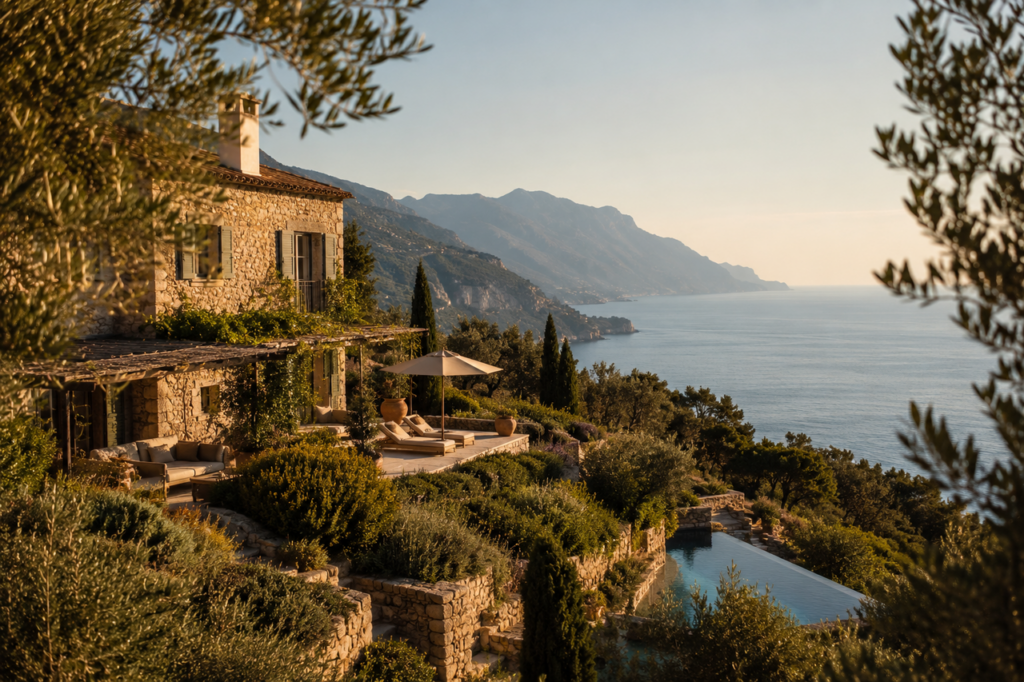
Large resorts continue to attract visitors, but many travelers are gravitating toward luxury boutique hotels, private villas, and smaller design-led properties.
These spaces often offer something larger properties struggle to replicate:
Character.
A converted farmhouse overlooking olive groves.
A restored villa hidden along the coast.
A boutique hotel where every room feels different.
The experience becomes less about scale and more about atmosphere.
Travelers are no longer seeking the biggest stay.
They are seeking the most memorable one.
Authenticity Is Replacing Performance
Another defining characteristic of the new Mediterranean is authenticity.
Many travelers are moving away from experiences designed primarily for visibility.
Instead, they are looking for moments that feel genuine.
A family-owned restaurant passed down through generations.
A local market that remains unchanged by tourism.
An afternoon spent exploring a village without a fixed plan.
These experiences rarely dominate social media.
Yet they are often the ones people remember most.
The Appeal of Lesser-Known Destinations
The Mediterranean’s future may not belong exclusively to its most famous destinations.
Some of the most exciting travel experiences are emerging in places that receive less attention.
Smaller islands.
Quiet coastal towns.
Rural wine regions.
Historic villages tucked away from major tourism routes.
These destinations often offer:
- greater privacy
- slower pacing
- stronger local identity
- more meaningful interactions
They allow travelers to engage with the region beyond its most visible highlights.
Food Becomes Part of the Journey
Mediterranean travel has always been connected to food.
But increasingly, dining is becoming less about prestige and more about context.
Travelers are choosing places that feel connected to their surroundings.
A seafood lunch overlooking a harbor.
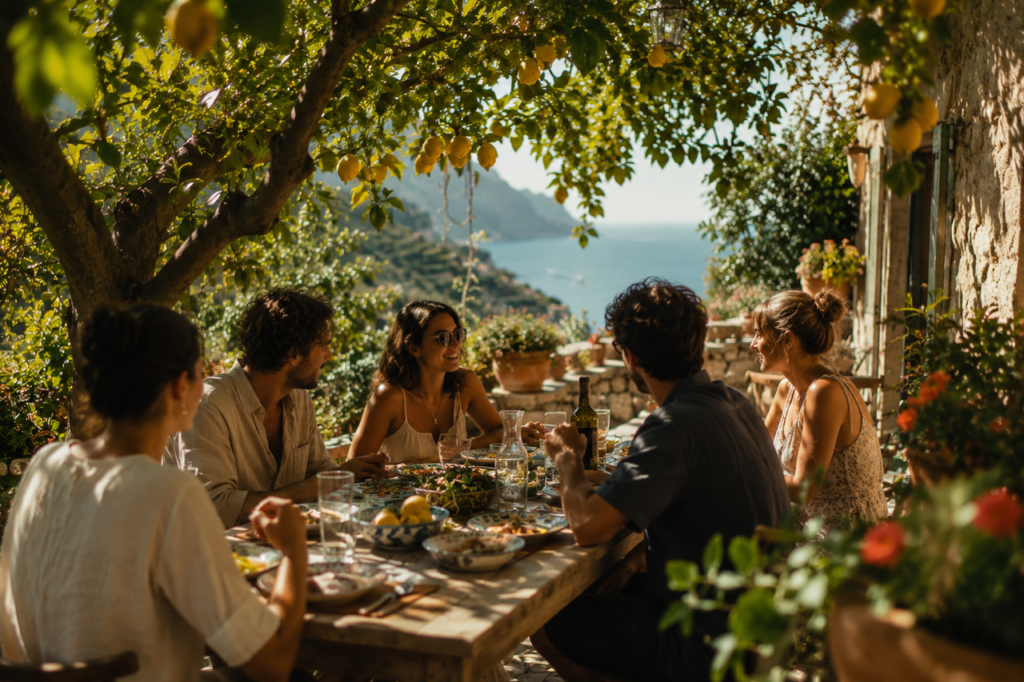
Dinner served beneath citrus trees.
Wine produced a few kilometers away.
Meals become extensions of the destination itself.
And that creates a deeper sense of connection.
Design Is Becoming More Thoughtful
Across the region, a new generation of hotels and villas is embracing a more considered approach to design.
Rather than competing with the landscape, these properties work alongside it.
Natural stone.
Local materials.
Open-air spaces.
Architecture that feels rooted in its surroundings.
The result is a hospitality experience that feels calmer, more timeless, and more connected to place.
The design supports the destination rather than distracting from it.
Why the Mediterranean Continues to Evolve
The Mediterranean remains one of the world’s most desirable travel regions because it offers something increasingly rare.
Balance.
History and modernity.
Energy and stillness.
Luxury and simplicity.
The destinations themselves have not fundamentally changed.
What has changed is how people choose to experience them.
Travelers are becoming more selective.
More intentional about pace.
More interested in quality of experience than quantity of activity.
A New Way to Experience the Mediterranean
At Date With Luxury, some of the most compelling Mediterranean journeys are not defined by how much they include.
They are defined by how naturally they unfold.
A slower morning.
A hidden hotel.
An unexpected conversation.
A destination experienced beyond its reputation.
Because the new Mediterranean is not about doing less.
It is about experiencing more deeply.
And that may be the most meaningful form of luxury travel yet.